
Wood Chipper Maintenance Guide: How to Keep Your Machine Running for Years
A well-maintained wood chipper runs efficiently, lasts longer, and costs significantly less over its working life than a neglected one. Most of the maintenance a gas chipper needs is straightforward and takes less time than most people expect. This guide covers what to do, how often, and what to watch for.
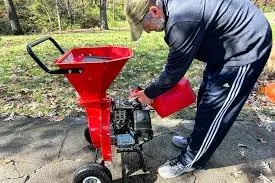
Consistent wood chipper maintenance is the single biggest factor in how long your machine lasts and how well it performs. Whether you own a 3-inch residential chipper or a heavy-duty 6-inch drum chipper, the same wood chipper maintenance principles apply. This guide gives you a practical, plain-English wood chipper maintenance schedule you can follow from day one.
Why Wood Chipper Maintenance Matters More Than You Think
Wood chippers work hard. Each hour of operation puts significant stress on the blades, engine, belts, and bearings. The difference between a chipper that lasts 3 years and one that lasts 10 comes down almost entirely to how consistently it is maintained. Skipped oil changes, dull blades, and neglected air filters compound over time — each issue slightly reduces performance, increases fuel consumption, and accelerates wear on other components.
The good news is that most wood chipper maintenance follows a predictable schedule, and the individual tasks are not technically demanding. The key is doing them consistently rather than waiting for something to go wrong.
Wood Chipper Maintenance Schedule
Before Every Use (5 Minutes)
- Check the engine oil level — top up if below the minimum mark. Running a gas engine low on oil accelerates wear dramatically.
- Inspect the blade visually — look for chips, cracks, or deformation on the cutting edges. A damaged blade should be replaced before operating.
- Check blade bolt tightness — blade bolts can loosen with vibration over time. Loose hardware is a safety hazard.
- Clear the infeed hopper — remove any rocks, wire, or foreign objects left from previous use that could damage blades or cause jams.
- Check fuel level — top up if needed. Running the fuel system dry is hard on the carburettor.
Every 25 Hours of Operation
- Clean the air filter — a clogged air filter starves the engine of air and increases fuel consumption. Foam filters can be washed and dried; paper elements should be replaced when dirty.
- Check belt tension (drum chippers) — belts that power the drum stretch over time. A loose belt slips under load, reducing cutting power and accelerating belt wear. Consult the manual for correct tension specifications.
- Lubricate bearings — grease fittings on the cutting mechanism, feed rollers, and wheel axles as specified in the machine's manual. Under-lubricated bearings wear rapidly and are expensive to replace.
- Inspect discharge chute — check for wear, cracks, or obstructions that could affect chip direction or create safety issues.
Every 50 Hours of Operation (or Each Season)
- Change the engine oil — fresh oil is the single most cost-effective maintenance task for any gas engine. Degraded oil loses its protective properties and allows metal-to-metal contact in the engine. Use the grade specified in your machine's manual.
- Replace the spark plug — a worn spark plug causes hard starting, misfires, and increased fuel consumption. Spark plugs are inexpensive and take minutes to replace.
- Sharpen or replace blades — blade sharpening frequency depends on usage and material hardness. As a baseline, inspect and touch up blades every 50 hours. If you regularly process hard, knotty wood, inspect more frequently. A chipper operating with dull blades uses more fuel, produces rougher chips, and puts more stress on the entire drive system.
- Check and replace belts if worn — belts that are cracked, frayed, or glazed on the inner surface should be replaced. A belt failure during operation can cause sudden loss of cutting power and potential damage to other components.
- Clean the entire machine — accumulated sap, wood resin, and debris on the chassis, around the cutting mechanism, and on the engine cooling fins can reduce cooling efficiency and accelerate corrosion.
Wood Chipper Blade Sharpening: The Most Important Maintenance Task
Sharp blades are the single biggest factor in wood chipper performance. A sharp blade slices cleanly through wood with minimal resistance. A dull blade tears and crushes, requiring significantly more force — which means more engine load, more fuel, more heat, and faster wear on everything connected to the drive system.
Most chipper blades are double-edged, meaning they can be flipped to use the second edge when the first becomes dull — effectively doubling the service life of each blade. After both edges are used, the blades can often be sharpened by a qualified tool sharpening service before being replaced.
Signs that your wood chipper blades need attention: chips become stringy or irregular rather than cleanly cut, the machine requires noticeably more effort to process material, the engine bogs down more readily when feeding, or there is increased vibration during operation.
Important: Never attempt to sharpen blades while they are installed in the machine. Always remove blades fully before sharpening, and reinstall with the correct bolt torque specification from the manual.
Wood Chipper Seasonal Storage: Preparing for Off-Season
If you plan to store the chipper for more than a few weeks, take these steps to prevent problems when you restart it:
- Drain or stabilise the fuel — fuel left in the tank and carburettor over winter breaks down and forms varnish deposits that block jets and passages. Either drain the fuel system completely, or add a fuel stabiliser and run the engine briefly to circulate it.
- Change the oil — used oil contains combustion byproducts and acids that corrode engine components during storage. Fresh oil protects the engine while stored.
- Clean the machine thoroughly — wood resin and debris hold moisture against metal surfaces, promoting rust. Clean down the entire machine before storage.
- Lubricate all grease fittings — grease displaces moisture and prevents corrosion on bearings and pivot points during storage.
- Store under cover — a tarpaulin or indoor storage prevents UV degradation of plastic components and protects the engine from moisture ingress.
| Task | Frequency | Why It Matters |
|---|---|---|
| Oil level check | Before every use | Prevents engine wear from low oil |
| Blade inspection | Before every use | Safety + performance check |
| Air filter clean | Every 25 hours | Maintains engine power and fuel efficiency |
| Belt tension check | Every 25 hours | Prevents power loss and belt damage |
| Engine oil change | Every 50 hours / each season | Single most impactful engine protection task |
| Spark plug | Every 50 hours / each season | Easy starting, clean combustion |
| Blade sharpening | Every 50 hours or when performance drops | Performance, fuel efficiency, reduced drive wear |
| Full seasonal prep | Before storage | Prevents corrosion and carburettor damage |
The simple rule: If you do nothing else, change the oil every season and keep the blades sharp. These two wood chipper maintenance tasks alone account for the majority of the performance and longevity difference between a well-maintained wood chipper and a neglected one.
Need spare parts or maintenance support?
MAXZEM uses RATO engines with global parts availability. Contact us for blade replacements, service manuals, and technical support.
PRODUCTS
- - Wood Chipper
- - Log Splitter
- - Mini dumper

Looking For New Partner