
Wood Chipper Safety: 10 Rules Every Operator Must Know
Wood chipper safety is not optional. A chipper's rotating blades move at 1,000 to 2,000 RPM and the feed mechanism can pull material inward in fractions of a second. Most wood chipper accidents are preventable — these 10 wood chipper safety rules cover the situations where injuries occur most often.
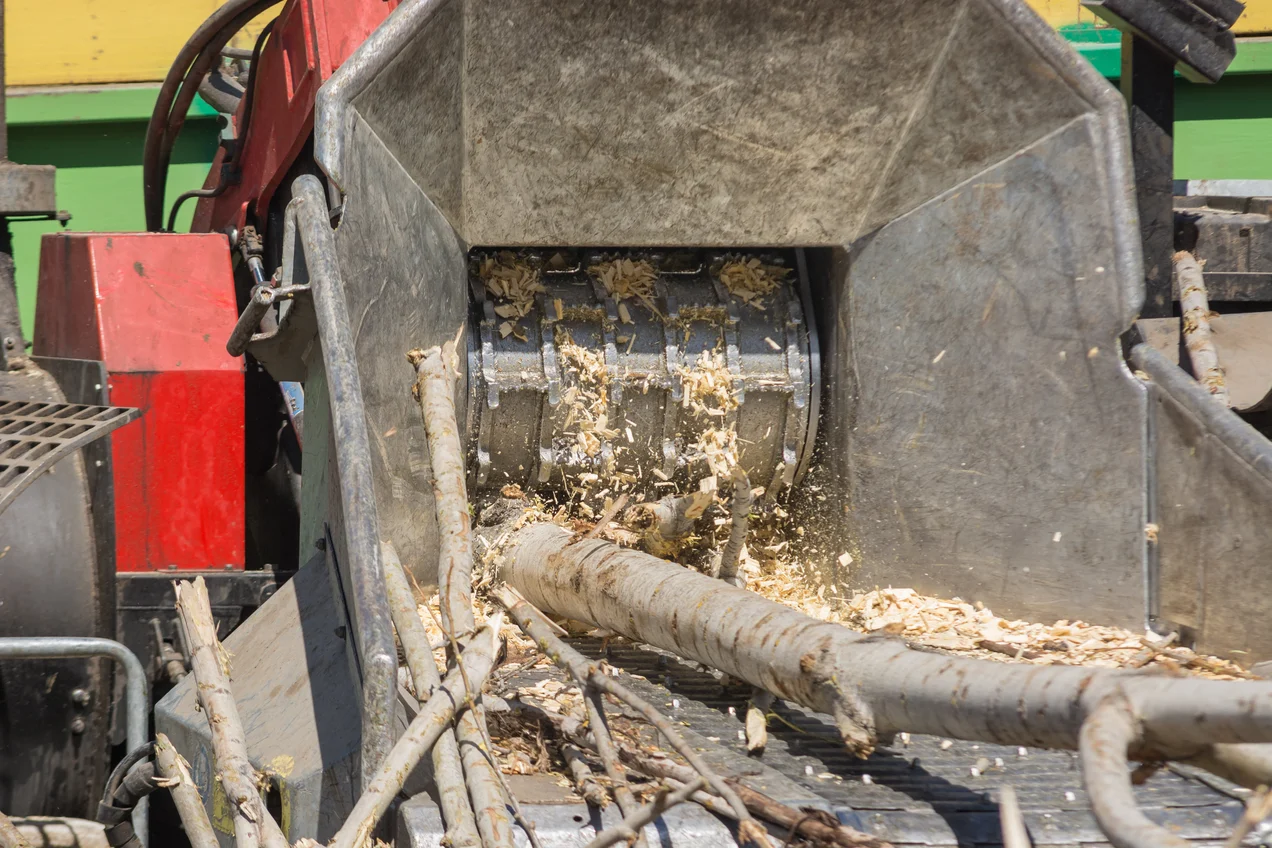
Why Wood Chipper Safety Rules Matter
Wood chippers are among the most hazardous pieces of outdoor power equipment in regular use. Proper wood chipper safety practices address specific risks: high-speed rotating blades, aggressive self-feeding drum mechanisms, flying debris from the discharge chute, and operator proximity to the infeed opening. The good news is that the majority of recorded injuries follow a small number of predictable patterns — which means following a clear set of wood chipper safety rules eliminates most of the risk.
These wood chipper safety guidelines apply to all gasoline wood chippers, whether you are using a compact 3-inch residential model or a 6-inch commercial drum chipper.
The 10 Wood Chipper Safety Rules
Rule 1: Wear the Right Protective Equipment — Every Time
Before starting the machine, put on hearing protection, safety glasses or a face shield, heavy-duty work gloves, and steel-toe boots. Gas chippers generate significant noise — consistent exposure without hearing protection causes cumulative hearing loss. Eye protection guards against wood chips, bark fragments, and debris ejected from both the infeed and discharge openings. Non-slip steel-toe boots protect against dropped limbs and provide stable footing on uneven ground.
Rule 2: Inspect the Machine Before Every Use
Walk around the chipper before starting. Check that all protective covers and guards are in place. Confirm the emergency stop switch is functional and within reach. Check the infeed hopper for any foreign objects — rocks, wire, metal fittings — that may cause blade damage or dangerous kickback. A two-minute inspection before startup prevents the majority of mechanical failures during operation.
Rule 3: Keep Bystanders and Children Away from the Work Area
Establish a clear exclusion zone around the chipper during operation. The minimum safe distance for bystanders is typically 30 feet (10 metres) from the discharge chute — wood chips and debris can be projected at high velocity. Children and pets must never be within the work area when a chipper is running.
Rule 4: Never Reach Into the Infeed Hopper While Running
This is the single most critical wood chipper safety rule. Never put your hands or arms into the infeed hopper while the engine is running — not to clear a jam, not to push material through, not for any reason. If a jam occurs, shut off the engine and wait for all rotating parts to come to a complete stop before touching anything near the blades. A drum chipper's inward pull force can overcome a strong person's resistance in under a second.
Rule 5: Feed Material From the Side, Not the Front
Stand to the side of the infeed opening when feeding material, not directly in front of it. This position keeps you out of the path of any material that may kick back. Feed limbs butt-end first — smaller end toward the blades — which allows the machine to grab and pull the material more smoothly than feeding from the leafy end.
Rule 6: Never Feed Loose, Unsupported Material
Always maintain control of material as it enters the infeed. Long branches should be supported and fed in a straight, controlled line. Do not throw or toss material into the hopper. Feed one branch at a time for consistent control. If a branch is too heavy or awkward to control during feeding, cut it into shorter sections before chipping.
Rule 7: Secure All Loose Clothing and Jewellery
Loose sleeves, scarves, drawstring cords, necklaces, and wristbands can catch on material being fed into the chipper and pull a hand or arm into the infeed opening. Wear close-fitting work clothing. Secure long hair inside a cap or helmet. Remove rings, bracelets, and watch straps before operating. This is a fundamental wood chipper safety measure that is frequently overlooked.
Rule 8: Know Where the Emergency Stop Is — and Use It
Before each use, locate the emergency stop switch and confirm it is within immediate reach from your operating position. In the event of a jam, an unexpected catch, or any mechanical issue, the emergency stop must be activated immediately. Do not attempt to reverse feed or pull material out while the machine is running. Shut it down first, then assess the situation with all rotating parts at rest.
Rule 9: Never Leave a Running Chipper Unattended
If you need to step away — even briefly — shut off the engine. A running chipper left unattended near other people, children, or animals is a serious wood chipper safety hazard. The machine can vibrate and move from its position during operation. Always shut down before stepping away from the machine.
Rule 10: Follow the Manufacturer's Blade and Maintenance Schedule
Dull blades increase the risk of kickback, material jams, and excessive vibration. A chipper with damaged or loose blade hardware is mechanically unsafe to operate. Follow the blade inspection and sharpening schedule in the machine's manual. Never attempt to sharpen blades while they are installed in the machine.
Wood chipper safety summary: The most common chipper injuries involve reaching into a running machine, loose clothing entanglement, and bystanders struck by discharge. These three wood chipper safety rules — never reach in while running, secure all clothing, keep bystanders clear — eliminate the majority of serious injuries.
Wood Chipper Safety Features to Check When Buying
Good safety engineering reduces operating risk regardless of how carefully the operator follows the rules. When evaluating any chipper for wood chipper safety compliance, confirm these features are present:
- Emergency stop switch — positioned within immediate reach from the operator's feed position
- Centrifugal clutch — protects the engine from sudden torque shock during jams, and allows the blades to decelerate safely after shutdown
- Protective infeed hopper design — keeps hands and arms at a safe distance from the cutting mechanism during normal feeding
- Blade cover and housing — all rotating cutting components fully enclosed except for the infeed and discharge openings
- Stable wheel and chassis design — the machine should not shift or walk during operation
All MAXZEM gasoline wood chippers include an emergency stop system and centrifugal clutch protection as standard — two of the most important wood chipper safety features for daily operation.
View MAXZEM Wood Chippers →Looking for a chipper with strong safety features?
All MAXZEM chippers include emergency stop systems and centrifugal clutch protection. Ask us about the right model.
PRODUCTS
- - Wood Chipper
- - Log Splitter
- - Mini dumper

Looking For New Partner